


The evolution of casinos a journey through time
The Origins of Gambling
The concept of gambling can be traced back to ancient civilizations, where games of chance were played with rudimentary tools. Archaeological evidence shows that the earliest forms of betting date back to around 3000 BC in China and ancient Mesopotamia. These early games were often tied to religious rituals and social gatherings, demonstrating that gambling was not merely a pursuit of chance, but a significant aspect of cultural life. Today, you can login Pin-up and explore how these traditions have evolved in the modern context.
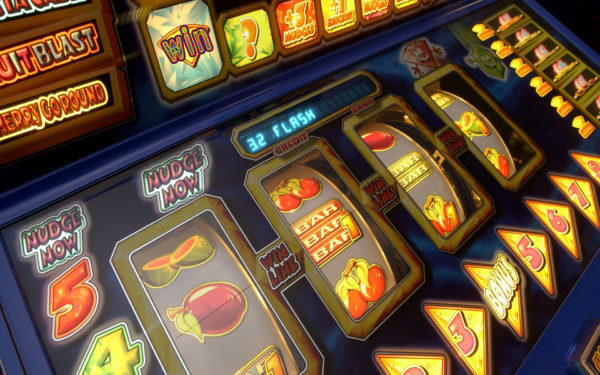
As societies evolved, so did gambling practices. The Greeks and Romans incorporated dice games and betting into their entertainment. The Romans, in particular, established the first known gambling houses, known as “tabernae,” offering a range of games from dice to betting on chariot races. This laid the groundwork for the development of more organized gambling venues as civilization progressed.
The Birth of Modern Casinos
The transformation of gambling into a more structured form began in the 17th century with the establishment of casinos in Italy. The Casino di Venezia, opened in 1638, is often credited as the world’s first true casino. This marked a shift from informal betting to a more sophisticated environment where games were regulated, attracting the elite and providing a more glamorous experience.
By the 19th century, the casino phenomenon spread across Europe, particularly in France, where the game of roulette was popularized. These establishments became synonymous with luxury and high society, further entrenching gambling into the social fabric of the time. With this, the casino evolved into a space for entertainment, leisure, and social interaction.
The Impact of Gambling on Society
The growth of casinos has had profound effects on the communities they inhabit. Economically, casinos have generated jobs, increased tourism, and stimulated local economies. Cities like Las Vegas and Atlantic City flourished due to their gambling industries, showcasing how casinos can transform urban landscapes and create vibrant entertainment hubs. However, it is essential to recognize how gambling can also exacerbate social issues and alter community dynamics.
However, the presence of casinos has also sparked debates regarding social issues such as addiction and crime. While many communities benefit from the economic influx, concerns about gambling addiction and its associated problems remain pressing. This dual impact highlights the need for responsible gambling practices and community engagement to mitigate potential downsides.
The Digital Revolution in Gambling
In the late 20th and early 21st centuries, the gambling landscape underwent another significant transformation with the advent of online casinos. The internet allowed for the expansion of gambling beyond traditional brick-and-mortar establishments, making games accessible to a global audience. This shift has democratized gambling, enabling more people to participate from the comfort of their homes.
Online casinos have also introduced innovations such as live dealer games and mobile gambling applications, further enhancing user experience. As technology continues to evolve, the future of casinos promises to blend traditional elements with cutting-edge advancements, making gambling more interactive and engaging than ever before.
Exploring Our Platform
Our platform is dedicated to connecting users with valuable resources and information on gambling and casinos. We offer a user-friendly interface designed to facilitate easy navigation, ensuring visitors can quickly find the tools and support they need. Whether you are looking for educational content, advice, or community engagement, we strive to enhance your experience.
Join us as we explore the wealth of opportunities available at your fingertips. Our commitment to providing insightful resources reflects the evolution of the casino industry and its impact on society. Together, we can navigate the complexities of gambling responsibly and effectively.

